
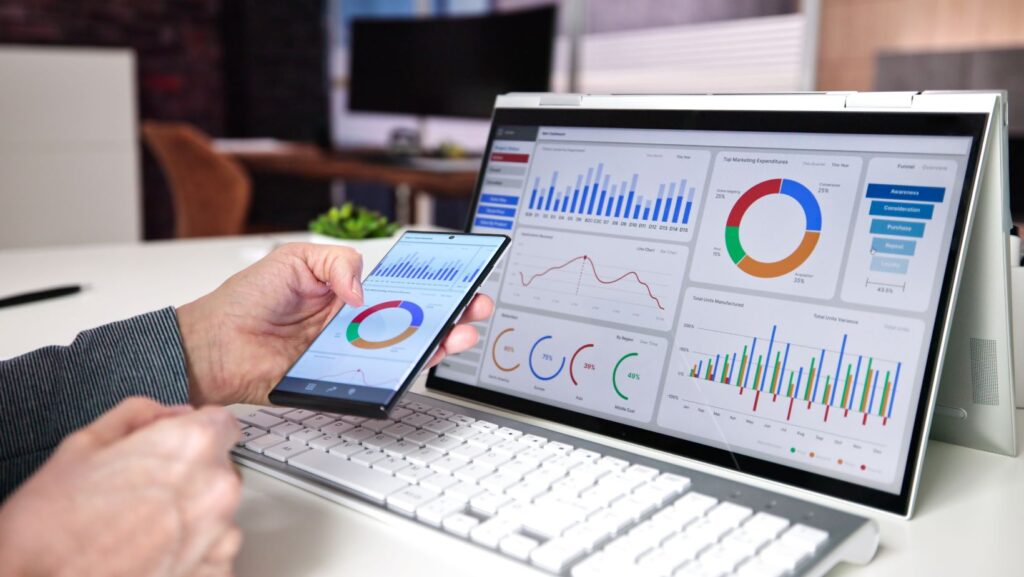
Social media analytics is basically the structured and kinda data-heavy process of collecting, processing, and making sense of all the information people share across social media channels. At its core, it helps organizations understand what folks are talking about, measure how their content is doing, and make better business decisions using both real-time and old social data.
Most people usually think of social media in terms of the big names—Facebook, Instagram, YouTube, X (yep, formerly Twitter), LinkedIn, and Reddit. But social media analytics actually covers data coming from a much wider and more complex digital ecosystem. And it’s not just about counting likes, follows, clicks, impressions, previews, or retweets. It’s also pretty different from the usual campaign reports that tools like Google Analytics or Facebook Ads Manager give you.
Instead, social media analytics uses specialized platforms that kinda work like advanced data-capturing machines. These platforms pull information using:
- Keyword-based search queries
- Topic and hashtag tracking
- Automated web crawlers
- API connections with social networks
All this collected data—text, metadata, and behavioral signals—is then stored in databases, categorized using classification models, and analyzed using text analytics, machine learning, sentiment analysis, and performance metrics. With AI in social media playing a bigger role, these tools can now detect nuances like user intent, behavioral triggers, and emerging patterns faster than ever.
One big part of this whole thing is social listening, which focuses more on monitoring conversations so brands can spot customer issues, new opportunities, trending topics, and feedback about their products in real time. Most modern analytics tools combine listening and performance tracking, giving companies a fuller picture.
Why Is Social Media Analytics Important?
Social media analytics helps businesses understand the meaning behind huge amounts of user-generated content. With this kind of insight, companies can:
- Spot new trends in products, services, or even entire markets
- Understand the real substance of conversations (not just emojis and hype)
- Detect customer emotions or general sentiment towards a brand.
- See how people react to campaigns.
- Discover what features customers actually care about
- Track competitor activity and reactions
- Understand how partners, influencers, or distribution networks affect perception.n
And it’s not just about quick reactions, like replying to a frustrated customer. These insights also help shape long-term decisions. IBM even notes that social analytics is becoming a core part of strategy in many industries.
Business Functions Impacted By Social Media Analytics
1. Product Development
By collecting conversations from Facebook posts, tweets, Reddit threads, Amazon reviews, Instagram comments, and more, companies can identify pain points and feature requests. These insights help them build better product roadmaps and improve what they already offer.
2. Customer Experience Optimization
Many companies today are moving from “product-first” to “experience-first” strategies. Behavioral analysis across social touchpoints helps brands make the most of micro-moments—those tiny but important interactions that build loyalty over time.
3. Brand Health and Positioning
Social media is like a massive real-time focus group. With NLP-driven sentiment analysis, brands can keep an eye on expectations, detect early risks, tweak their messaging, and strengthen how audiences see them.
4. Competitor Intelligence
Social media is a goldmine for competitor insights. For example:
- If a competitor exits a niche, it creates space for your brand.
- A sudden spike in positive mentions for their new product might mean your market is shifting.
5. Operational Efficiency
By studying customer signals, companies can even predict demand. Retailers, logistics teams, and manufacturers can improve supply chains, manage inventory better, and reduce costs.
Reports show that around 85% of businesses using social data actually see real ROI, meaning social intelligence isn’t optional anymore—it’s a must.
Core Components Of Social Media Analytics
1. Social Media Metrics and KPIs
These metrics show whether campaigns or content are performing well. Some common KPIs include:
- Engagement rate
- Reach and impressions
- Click-through rate (CTR)
- Conversion rate
- Cost per conversion
- Video view rate
- ROI
Brands also analyze different content formats—images vs videos vs stories—to see what audiences respond to best.
2. Audience Analysis
Audience analytics tell brands about the characteristics and behaviors of their followers, such as:
- Demographics and location
- Interests and browsing behavior
- When and how they engage
- What content formats do they prefer?
This helps create better-targeted and personalized content.
3. Sentiment Analysis
This uses NLP to tag content as positive, negative, or neutral. Sentiment helps companies:
- Spot PR risks
- Understand the emotion behind conversations
- Identify complaints and patterns
- Respond more intelligently
It’s incredibly valuable during crisis situations.
4. Social Media Data Visualization
Visualization makes complex data easier to digest through:
- Dashboards
- Trend lines
- Heat maps
- Network charts
- Comparison graphs
Decision makers love visuals because they make patterns easier to catch.
5. Competitor Analysis
Analytics tools help brands track competitors so they can:
- Benchmark performance
- Compare engagement
- Study their content strategies.
- Discover market gaps
This helps sharpen a brand’s own positioning.
What Your Social Media Analytics Tool Should Include
A strong analytics tool should give a full, multi-layered understanding of your digital presence.

Important features include:
1. Multi-Channel Analysis
It should track all major platforms; otherwise, you risk missing trends and shifts happening in places you’re not watching closely.
2. Dashboards and Visualization
The tool must display data clearly, allow filtering, support custom charts, and make reporting easy.
3. Advanced Sentiment Analysis
It should understand context, sarcasm, and emotions, and detect changes over time. Machine-learning-powered sentiment engines provide deeper insight into behavior.
4. Emotion Analysis & Effort Scoring
New analytics tools evaluate emotions like joy, anger, trust, or frustration. Effort scoring shows how easy or hard customers find interacting with your brand—hugely valuable for predicting churn.
5. Data Segmentation
Tools must segment by:
- Demographics
- Geography
- Interests
- Behavior
- Content types
- Customer journey stages
Segmentation gives sharper, more personalized insights.
6. Cross-Business Data Overlay
Social analytics tools should connect with:
- Website analytics
- CRM systems
- Sales data
- Customer support tools
- Email marketing platforms
- Digital asset management for unified content governance
This helps teams tie social activity to real business outcomes.
7. Operational Data Integration
Connecting operational data allows companies to:
- See how sentiment affects sales
- Predict customer behavior
- Map engagement to traffic and revenue
- Identify which messages influence conversions
This turns social analytics into a full business intelligence system.
Conclusion
Social media analytics brings together data science, behavioral study, sentiment modelling, visualization, and strategy into one powerful ecosystem. It goes way beyond simple engagement tracking. It helps companies understand audiences on a deeper level, predict trends, study competitors, and create measurable growth.
As social networks continue evolving, the ability to extract meaning from real-time conversations will become even more important. It will shape how companies build products, manage experiences, protect their brand reputation, and optimize operations.
More Stories
Learning The Core Principles Of Slot Games Online
Non GamStop Sports Betting: Benefits of Mobile Apps for Placing Bets in 2026
Transform Your Career with Industry-Ready Artificial Intelligence and Machine Learning Programs